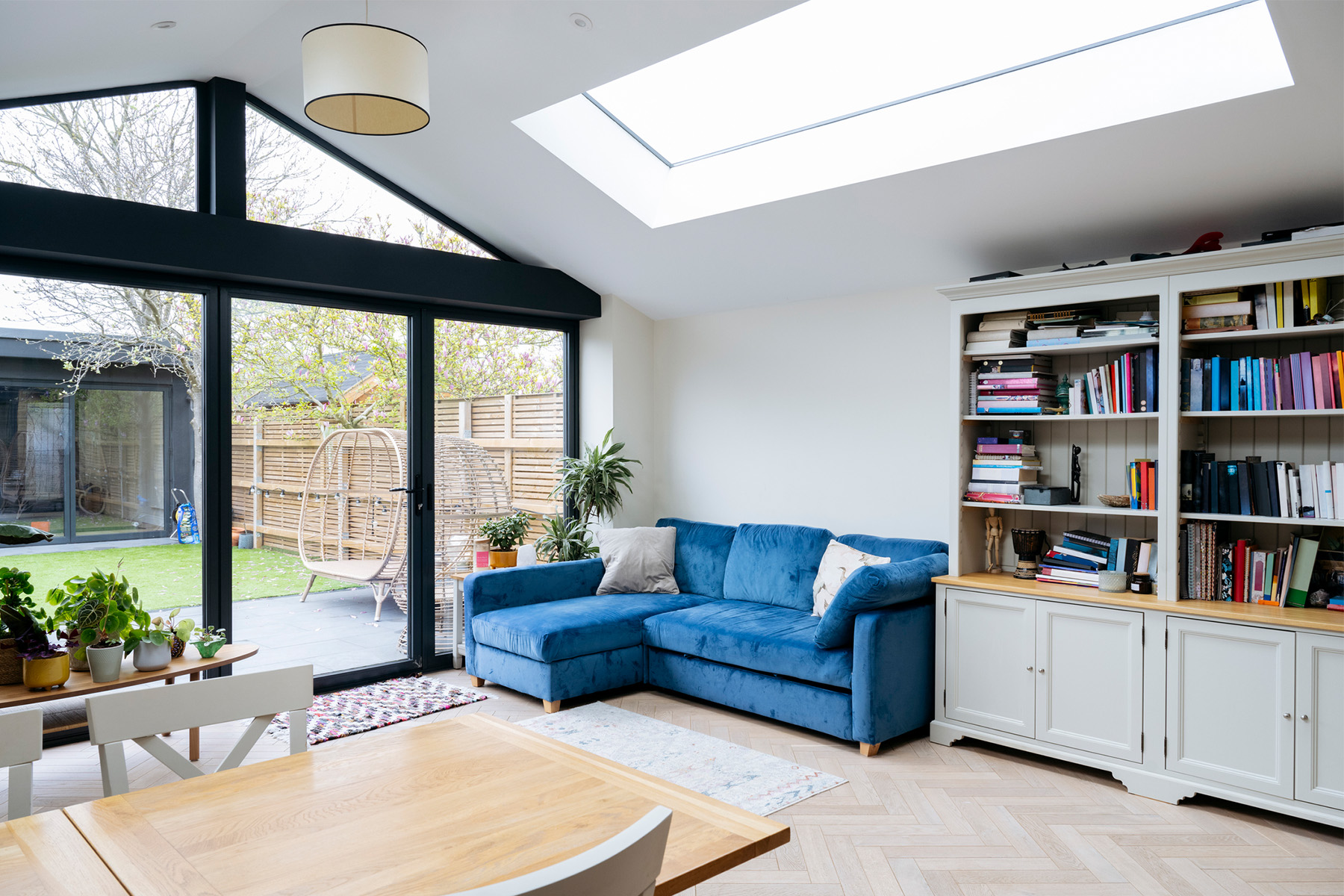
How Much Does It Cost to Add a Room Addition to Your Home?

The reasons for wanting to expand your home and add a new room are numerous. Perhaps you feel cramped in your current space and need more room. You may enjoy living in your neighborhood, but you simply need more functional space in your home. Some homeowners will add another room to increase the selling price of their home.

How much will it cost to add a room addition? The final amount will rely on factors such as the region or local market, the size and complexity of the project, and quality of materials used in the project.

How Much do Home Additions Cost?

The average cost to build a room addition on your home is about $51,451, costing about $86 to $208 per square foot according to HomeAdvisor. The normal cost can range between $22,500 and $87,060 on average.

The total cost will vary depending on the overall size of the room, shape, quality of materials used, and location of the room on the house.

What Factors Affect the Cost of a Room Addition

When considering a room addition to your home, keep in mind there are potential costs, depending on the type of addition, the size and extent of the addition, and the necessary structural improvements, such as a foundation, HVAC, electrical, and plumbing.

Size and complexity of the room addition

Most room additions are measured by the square footage of the new room. This is not the only factor, as the type of room will also affect the cost. Depending on what type of room you are adding to your home, the price will be different based on the infrastructure that needs to be added.

A bedroom can cost anywhere between $80 and $160 per square foot, and a bathroom could cost anywhere from $70 to $250 per square foot, according to a recent report by Angi.

Rooms that only require basic electrical wiring and framing are less complex than rooms that require plumbing, windows, doors, and other features.

Location of the addition on your existing home

Depending on where the new room will be added to the home, some outdoor obstructions may need to be removed or relocated. A foundation may need to be laid. Outdoor HVAC units, plumbing, and electrical wiring are some infrastructure needs that may need to be advance planned.

Quality of building materials

Another factor that affects the overall cost of a room addition is the quality and type of building materials that are used. Some materials that have a wide range of potential quality and cost are flooring, windows and doors, tile, countertops, and cabinets.

Local zoning laws and permits

Small projects in a kitchen or bathroom may cost between $150 and $300. Building permits for larger projects like a room addition can cost between $400 and $2,000. Your remodeling contractor will be responsible for obtaining the permits if you are not doing the room additions yourself. The permits are to make sure your construction follows local building codes. These are things you will usually need a permit for:

  • New construction
  • Room additions
  • Major renovations like kitchen remodeling
  • Structural changes to your home
  • Electrical, mechanical, and plumbing work

Cost of Room Additions by Type

Each type of room has different requirements. dimensions, and infrastructure which accompanies its addition to your house. These are the average costs for room additions by type and the typical price ranges in 2024, according to Angi and HomeAdvisor.

Room Type Average Cost Cost Range
Bathroom $75,000 $20,000-$90,000
Primary bedroom (includes bathroom) Up to $100,000 $30,000-$200,000
Bedroom $50,000 $30,000-$100,000
Kitchen $75,000 $48,000-$95,000
Living Room $30,000 $17,300-$43,200
Home office $30,000 $15,000-$50,000
Room above Garage $45,000 up to $85,000
Second story $345,000 $100,000-$600,000
Laundry room $7,000 $5,000-$10,000
Mudroom $5,200 $3,600-$7,200
Sunroom $50,000 $25,000-$80,000
In-Law Suite $72,000 $44,000-$100,000

Source: Angi

Bathroom

The total cost of a bathroom addition will vary depending on whether plumbing and fixtures need to be added, but another bathroom will increase the overall value of your home. You can expect the value of your home to increase by 47% to 67% of the bathroom addition cost.

Kitchen

Depending on your appliances, plumbing needs, kitchen size, and materials, the average cost of a 200-square-foot kitchen ranges from $48,000 to $95,000.

Bedroom

A new bedroom addition will typically cost between $30,000 to $100,000. For primary bedrooms, they can cost as much as $200,000 if you add features such as walk-in closets and a balcony, if you’re on an upper story.

Cost of Room By Size

Room Size Average Prices
20’x20’ $32,000 – $80,000
12’x12’ $11,520 – $28,800
10’x12’ $9,600 – $24,000
400 sq. ft. $32,000 – $80,000
500 sq. ft. $40,000 – $100,000
600 sq. ft. $48,000 – $120,000
1,000 sq. ft. $80,000 – $200,000

Tips for Saving Money on Your Room Additions

Adding a room to your home can be a significant investment, so planning ways to save money is an important way to meet the project budget.

  • If you can save up money for a down payment on the construction work, it will help you save money on financing and interest.
  • Talk to at least three local contractors and get quotes so you have a good estimate of the range of costs.
  • Keep to your pre-determined range of home improvements and features so you make your budget.
  • If you are supplying some of the project materials, check around for the best price on materials.

Sacramento Room Additions and Home Remodeling

Adding a new room to your Sacramento area home will be a smooth process with the team from Sacramento Remodeling Group. Our contracting team is based in Roseville, and we are a fully licensed and bonded general contractor doing. Our home remodeling team will help you every step of the way and make sure your home renovations are done professionally, on-time, and on-budget. Contact one of our home remodeling specialists or give us a call at (916) 862-1444 for a consultation.

How to Choose the Most Energy Efficient Windows

Choosing the right type of energy-efficient windows is one of the most impactful decisions a homeowner can make to help their home more eco-friendly and save money on their energy bills. The highest-quality energy-saving windows absorb thermal solar energy in the winter months and prevent UV rays from overheating a home in summer months.

Choosing energy-efficient windows might seem like a confusing process, but this guide is here to help explain how energy-efficient windows work and how to choose the best set for your home.

What Are Energy Efficient Windows?

Energy-efficient windows help reduce energy bills by keeping the temperature consistent inside the home. These windows are designed with a thermal break that retains thermal heat from solar energy in cold months but also minimizes solar heat during warm months. Energy-efficient windows keep heat from the HVAC insulated in the winter, and also keep cool air from the AC inside in the warmer summer months.

A report by Energy.gov shows that heat gain or loss can account for about 25-30% of residential heating and cooling energy costs. There are two primary examples of this:

  • In the summer, with regular windows, the solar energy is transferred through the glass, heating the house. The air conditioner then needs to run longer to cool the home.
  • Because of the laws of thermodynamics, hotter air moves towards colder air, and poorly insulated windows allow this heat to escape through windows in colder winter months. The furnace needs to run for longer to get the home warm.

Energy-efficient windows prevent heat loss when it’s cold and traps cold air from the AC when it’s warm, making heating and cooling more efficient.

Tips for Choosing Energy Efficient Windows

There are certain features you should look for when selecting energy-efficient windows for your home:

  • Multiple panes of glass: Single-pane windows are the least insulated type of window. Double-pane and triple-pane windows are increasingly energy efficient with each pane of glass. Quadruple-pane windows exist, but the energy-efficiency is only negligibly better than triple-pane glass.
  • Low-E glass coating: Low-E (‘low-emissive’) glass has tine metallic coating inside the glass, which reflects heat in the summer, and holds in heat in the winter. For temperate Mediterranean climates, this type of window is a great choice.
  • Gas fills: In-between the panes of glass, window manufacturers often put inert non-toxic gases like argon or krypton gas. These are dense, non-reactive gases which help improve window insulation.
  • Weatherstripping: Seals around the windows must be tight, with high-quality weatherstripping keeping everything airtight, with air drafts eliminated. Gaps or drafts can impact your energy bills as hot or cool air can leak if these seals are not professionally done.
  • Warm edge spacers: Spacers help form a seal around the panes of glass where they touch the window panes, they help minimize heart transfer.

How Do Energy Efficient Windows Work?

Energy-efficient windows use double or triple panes with inert insulating gases in between the panes, which helps reduce heat transfer. On each window pane, there is also a low-emissive coatings (Low-E), made from a microscopic thin layer which allows sunlight through but reflects radiant heat back. When weather is cold, the low-E coatings reflect the heat back inside, or in warmer months, reflects the heat back outside.

Passive low-E coatings maximize solar heat gain, reducing reliance on central heating. Solar control coatings reduce solar thermal energy entering the building, ensuring the building uses air conditioning.

Other elements in the design of the window, such as warm edge spacers, which reduce heat transfer at the window edges, help create an energy-efficient window which reduces use of heating and cooling.

How Much Money Can You Expect to Save on Energy Bills?

According to a report by the U.S. Department of Energy windows are responsible for 25% to 30% of heat loss and heat gain in the home.

Single pane windows have less insulating glass and perform poorly at insulating heat or cold within the house, compared to double or triple paned energy-efficient windows.

ENERGY STAR estimates that replacing single-pane windows can save between $101 and $583 annually. Replacing double-pane windows with clear glass will save you an estimated $27 to $197 annually. The exact amount of savings can vary based on local energy rates, climate and weather, and the overall square feet of your home.

FAQ

What type of window is the least energy efficient?

Single-pane windows are considered the least energy efficient type of windows. There are no thermal breaks and allow warm or cooled interior air to escape while allowing outside air inside.

What type of window is best for energy efficiency?

Triple-pane windows, filled with an inert gas like krypton or argon gas, are the most energy-efficient. These windows have two thermal breaks, and the gases help prevent heat transfer so there is ample insulation.

Get Professional Home Remodeling in Sacramento and Roseville

If you need help with window installation, home remodeling, kitchen remodeling or any other renovations, call Sacramento Remodeling Group at (916) 862-1444 . We have decades of experience helping homeowners and property owners building luxurious homes and designing beautiful, functional living spaces.

Sacramento Remodeing Group is a fully licensed and bonded general contractor in the Placer County and Sacramento region. We can take care of all of your home renovation and remodeling needs. Contact us for a free consultation today.

What’s the Best Time of Year for Home Remodeling?

Most homeowners have thought carefully about remodeling their home and want to schedule home renovations around their busy schedule.

Summer is a busy time of year for all construction and remodeling projects, but there are optimal seasons for different types of remodeling projects.

Being able to schedule remodeling projects so they are completed efficiently, with maximum attention to detail is something to consider, no matter where your housing market is located.

Let’s look at the factors that go into the optimal times of year for each type of remodeling project and pros and cons of each.

Autumn is a Great Time to Remodel

The time of year when the weather is most favorable for remodeling varies from state to state, but in Northern California, fall is the most favorable season for home remodeling.

Summer can be busy with family activities and extremely hot. Winter can be rainy, cold, and the winter holidays can be hectic. Contractors generally have the heaviest bookings in late spring and summer because the weather is clear and hot.

This means the planning for your renovation project would take place in the summer, so all the materials and design are ready for the fall remodeling project. Be sure to get estimates, contracts, and financing lined up in the months preceding the autumn months.

Pros: Lots of availability; contractor may be able to get more done than in summer.

Cons: Outdoor weather may be rainy, outside projects may be better in summer.

When to start Planning: Spring/ Summer

Winter is an Underrated for Remodeling

The winter months are often busy with holidays, and inclement weather can prevent outdoor projects, but it is an optimal time for indoor renovations. If you are planning a kitchen remodel, bathroom renovation, or mater bathroom remodel, winter is a good time to schedule the work.

During the winter, work is slower for contractors than it is in the summer months. More contractors are available for work. Your remodeling company will likely have more time to dedicate to your project.

Building materials are often more available, as the peak season is passed. You may have more options for kitchen and bathroom remodeling during the off-peak winter season. It’s possible you might get a better deal at this time of year versus peak season.

When to start: January through early March.

Pros: Contractors are available; Building materials in stock.

Cons: Outdoor projects may be impractical

When to Start Planning: Late Summer / Early Autumn

Spring Renovations and Home Improvements

Lots of home improvements and remodeling projects can be completed in the spring, including bathroom and kitchen remodeling, replacing windows or upgrading doors, and adding kitchen cabinets. Weather permitting, many outdoor home improvement  projects may also be schedule.

Pros: Warm weather provides flexibility for different projects

Cons: Materials may be difficult to find due to peak season;

When to start Planning: Late Autumn to Early Winter

Home Remodeling in Summer

Due to the weather, summer is the most popular time of year for home remodeling projects. That also means many home improvement contractors are booked out during the summer, so finding an available remodeler may be a challenge. The cost of building materials may also fluctuate during the summer, and it may be slightly more expensive.

Pros: Weather is ideal for outdoor projects, home improvement, and ADUs.

Cons: Family get-togethers make your home busy, many remodeling contractors are booked in summer

When to Start Planning: Late Winter, Early Spring‍

Outdoor Projects

Projects like a new deck, patio, porch, or ADU are best scheduled during the spring and summer months from April to August.

Bathroom Remodeling

Bathroom renovations are a way to increase usable space and beautify the bathroom, but family members still need to use the bathroom, and depending on how much work is being done, this might be inconvenient. It is better to schedule for a time when you are on vacation or busy at other events, usually during the summer or holidays, so the remodeling work doesn’t disrupt your daily life.

Kitchen Remodeling

A good time of year to schedule a kitchen remodel is in the autumn or early winter. Building materials which are short in supply during the summer months are more plentiful at this time of year. Many remodeling contractors are slower in the fall and winter months versus the summer, so scheduling a kitchen remodel may be easier.

Home Additions

Larger home additions such as building an ADU on your property or constructing room additions are more easily scheduled early in the year, usually in the spring. Pouring concrete may be easier during this time of year as the ground is solid and weather may be optimal.

Expert Remodeling Contractor in the Sacramento and Roseville Area

If you’ve contemplated remodeling your kitchen, bathroom, or home, and you’re ready for the next step, talk to the remodeling team at Sacramento Remodeling Group. Our construction team has vast experience with residential remodeling in the Roseville, Sacramento, and Elk Grove area. We’ll work with you to create the home of your dreams, on-time and on budget.

We are a general contractor, licensed and bonded, and highly-skilled in kitchen renovations, bathroom remodeling, room additions, flooring installation, ADU construction, and garage conversions.

Call the team at Sacramento Remodeling Group today at (916) 862-1444 for free consultation or fill out the contact form on this page to talk to a home renovation expert.

When Is It Time to Remodel Your Home?

How do you know when it’s time to remodel your home?

Many homeowners love their neighborhood and home’s location, but they are unsatisfied with their home.

Remodeling your home can be more practical and less expensive than buying a new home.

If your kitchen needs more functionality, your bathroom needs more space, or your home is showing signs of age, it may be time to remodel.

Remodeling your home is a major investment, but the rewards can be substantial. Let’s examine some of the main reasons homeowners undertake a home remodeling project.

1. Proactive Repair on a Deteriorating House

Sooner or later, every home requires maintenance and repair. Some maintenance projects are larger in scope, and by being proactive, you can renovate your home while taking care of upcoming maintenance and upgrades. If your home needs a new roof, replacement flooring, or brand-new plumbing, a licensed and bonded remodeling company can help restore and expand your home’s functionality.

If critical parts of your home require replacing, like your foundation, floorboards, roof, or porch, don’t ignore these. If you plan on other remodeling projects, schedule these as part of the project.

2. Increase Your Home’s Value

Remodeling your home strategically can increase your home’s appraisal value. By adding functionality and improving the aesthetic, you can get more attention from potential home buyers. Even if you are not planning on selling your home anytime soon, increasing the value can provide options for the future, giving you a good return on investment.

3. You Want New Aesthetics for Your Home

Northern California has some of the best home designers in the country. If your home has outdated aesthetics and looks dated and aged, it might be time for a home renovation. If you want to create a modern look, a contemporary kitchen or bathroom, or an innovative timeless design, it’s probably time for a home remodel.

4. You Need More Functionality

Many homeowners begin a home remodeling project because their current home is not offering the functionality they need. Perhaps you find it difficult to cook in your kitchen because you don’t have adequate countertop space. Other households need a bathroom remodel to decrease clutter or add a shower or walk-in tub. Some property owners have more family at home and they need room additions or an ADU.

Whether you need a new walk-in closet in your master bedroom, a new kitchen island and cabinets, or a complete overhaul of your home, it may be time for a home remodeling project.

5. Summer is the Busiest Remodeling Season

In the Sacramento area, summer is the busiest time for home remodeling projects. Scheduling your kitchen or bathroom remodel during the autumn or winter months will help you get it done without waiting. Then you can enjoy your renovated home in the summer months when your family is doing get-togethers.

6. Make Your Home More Energy Efficient

Many homeowners want to decrease their monthly energy bills by installing energy-efficient windows and appliances and adding insulation. Home remodeling and adding upgrades can help you reduce your carbon footprint and your energy bills. This can help you save money each year.

7. You Have the Money on Hand

Home renovation projects require a monetary investment, and if you have the money ready to go, the time might be right for a remodel. Most home remodeling projects add appraisal value to the home, so you will get a return on investment.

8. You Need More Space

One of the biggest reasons homeowners invest in home remodeling is their family changes and they need more space. Whether it is family members aging in place or adult children moving back home, the need for more space is ever-present.

Investing in home, kitchen, and bathroom remodeling, garage conversions, room additions, or ADUs is a way to create more usable space.

Expanding your livable space may require some advance planning and expertise. Whether you are renovating your master bathroom or converting a half bathroom to a full bathroom, an experienced remodeling contractor can help you create more space in your home, or add rooms to your existing home.

9. You Plan on Staying in Your Home

As time goes on and your life changes, your needs may change, such as when kids move out or you want to downsize your home. Regardless of these things, you may have a strong emotional connection to your home, your property, and your neighborhood.

If you need large home renovations, you may find investing in a remodeling project instead of selling your home and buying another.

10. You’re Ready to Handle a Temporary Disruption

Depending on the type of home remodeling project you undertake, the construction time might be fairly short or substantial. If you go into a kitchen remodel there may be a time when the kitchen is being worked upon. Planning for cooking and preparing meals during this period can help your household handle the renovation smoothly.

Home Remodeling for Sacramento Homeowners

If you’ve been wanting to renovate your home, and the time is right, Sacramento Remodeling Group is the home remodeling contractor who can get the job done right.

Our team has many years of experience helping property owners in the Sacramento and Roseville area with kitchen and bathroom remodeling, garage renovations, ADU building, and general contracting. We use the highest quality materials and workmanship to ensure your home is beautiful and functional.

Contact us today for a no-obligation quote. Call Sacramento Remodeling Group today at (916) 862-1444 for your free consultation with a home renovation specialist today!

No home renovation is complete without top-quality materials and trusted contractors. Contact us today to kickstart the renovation of your dreams and partner with a team that gets the job done right the first time around.